
Rooftop Solar Maintenance: Essential Tips to Maximize Performance and Lifespan
01 Dec 2025
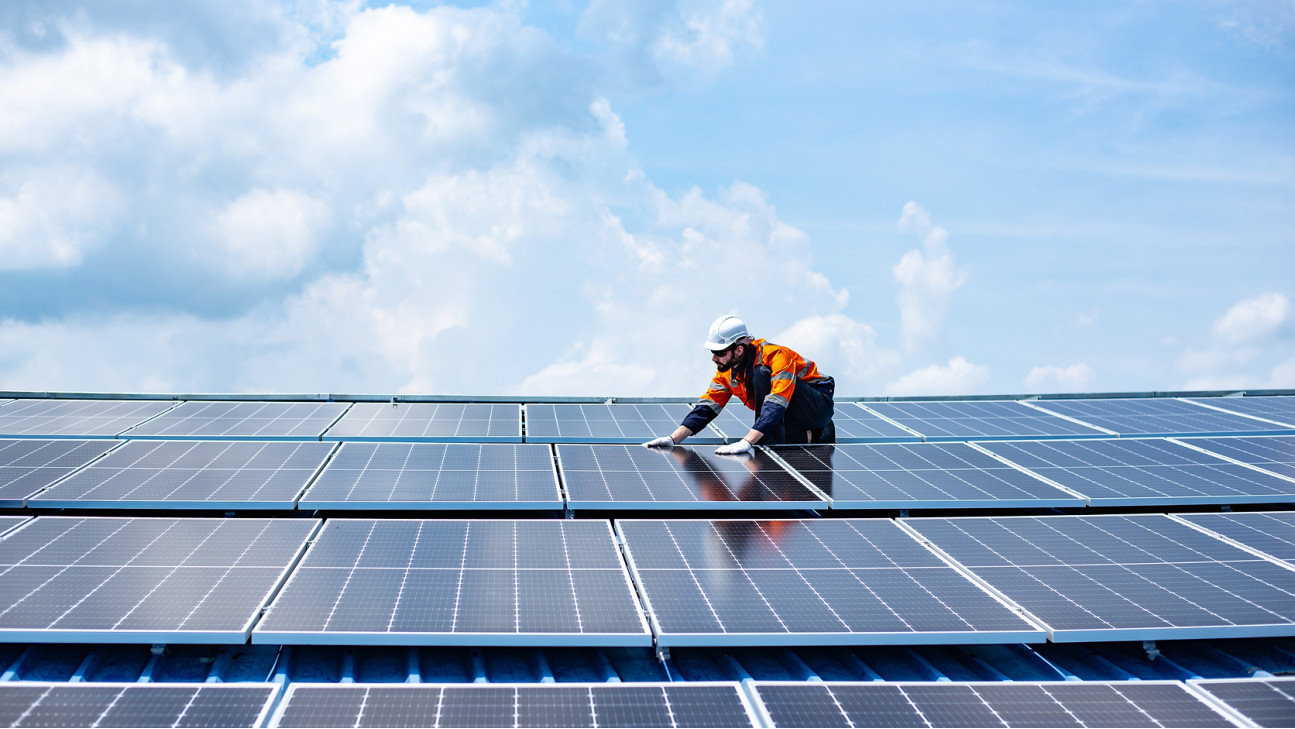
So, you’ve bought and installed rooftop solar panels—congratulations! You’re not only lowering your electricity bills but also playing an active part in combating climate change by reducing your carbon footprint.
However, like any long-term investment, your solar system needs proper care. Regular maintenance ensures you get the highest output, longest lifespan, and optimal return from your solar panels.
This guide highlights the most important maintenance practices to keep your rooftop solar system running smoothly throughout its life cycle.
Solar panels are known for being low-maintenance, but low maintenance does not mean zero maintenance. Consistent upkeep ensures:
Dust, bird droppings, leaves, and other debris can block sunlight and reduce your system’s output by up to 15%. Maintenance ensures your PV modules perform at their best.
Routine care prevents minor issues—like loose cables or small cracks—from developing into major (and expensive) problems.
Regular inspections help detect electrical faults, hot spots, water ingress, and other hazards early.
Well-maintained systems generate more electricity, reducing your dependence on the grid and maximizing your energy savings.
Issues like corrosion, fungus growth, or vermin infestation often go unnoticed until they escalate. Timely checks prevent these hidden damages.
Solar panels don’t require frequent cleaning, but periodic checks are important.
Also, ensure:
Your maintenance routine isn’t complete without checking the battery bank (if your system includes storage).
Regular cleaning and inspection significantly extend battery life and system performance.
The inverter is the heart of your solar system—it converts sunlight into usable electricity.
Also, check the inverter display daily—green lights or “normal operation” indicators help confirm proper functioning.
Cables are critical for safe power transfer.
Replace any damaged cables immediately.
Charge controllers ensure batteries receive the correct voltage and current.
Regular performance tracking helps you detect issues early.
Shading due to growing trees or new structures can significantly reduce output.
Trim trees instead of cutting them down, and consider repositioning panels if needed.
Regular maintenance keeps your solar system performing efficiently, safely, and sustainably for 20–25 years. By following simple but consistent upkeep routines, you can enjoy reliable clean energy and maximize your investment.
Finally, once your solar panels reach their end-of-life, be sure to reuse or recycle components responsibly to minimize environmental impact. Proper disposal helps ensure that solar energy remains a truly green solution from installation to retirement.
Please sign in first.
Sign in
Create a free account to save loved items.
Sign in